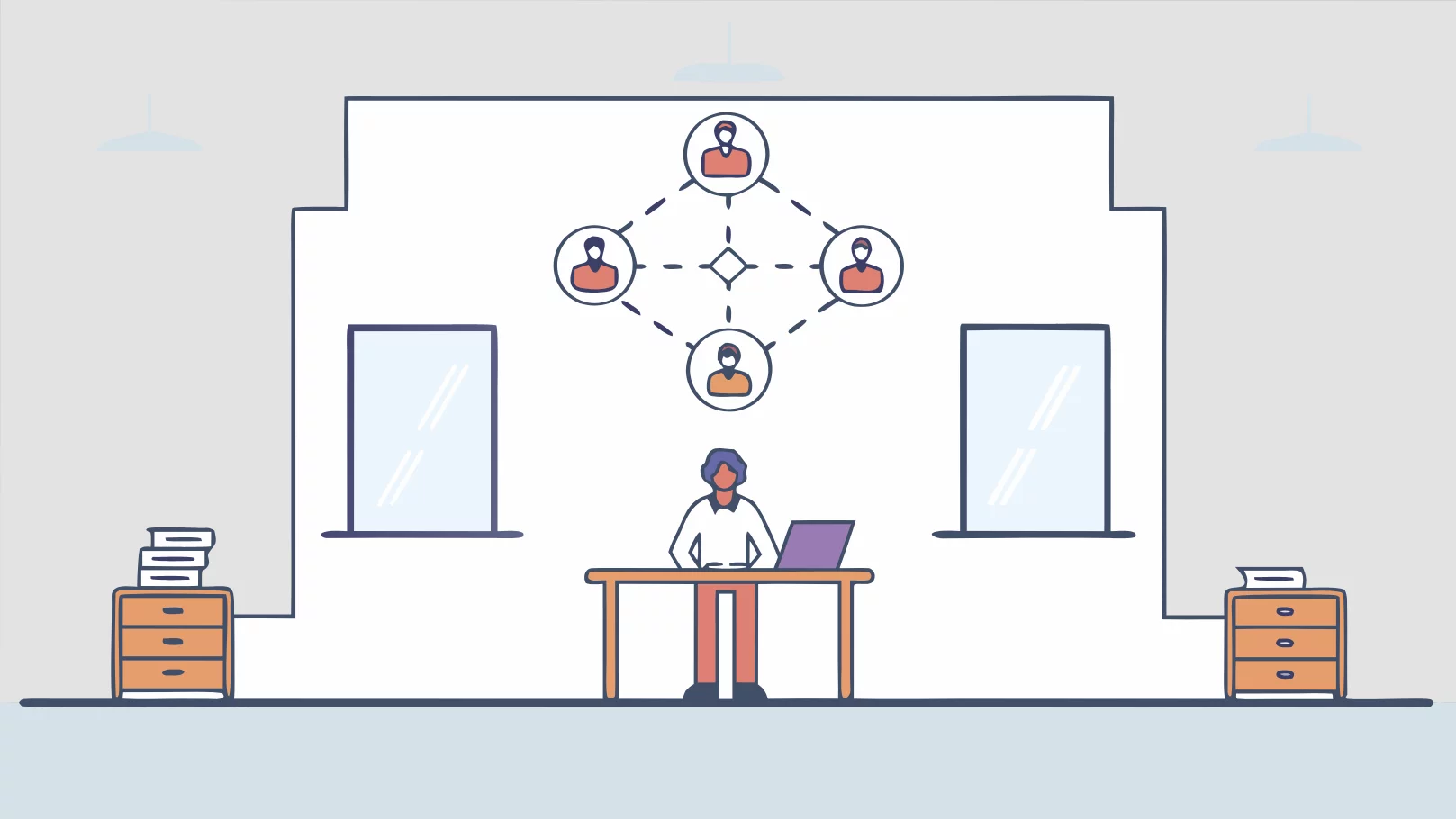

In the era of AI search, internal linking does more than pass PageRank—it teaches AI systems how your content relates to topics, entities, and concepts. A well-linked site demonstrates semantic completeness that LLMs recognize and reward.
Key Insight: Internal linking for AI isn’t about link juice—it’s about creating a semantic map that helps AI systems understand your topical authority and content relationships.
AI-optimized internal linking follows different principles:
- Entity-Based Linking: Link mentions of entities (people, companies, concepts) to dedicated pages about those entities
- Definition Linking: Connect technical terms to glossary definitions, helping LLMs understand context
- Topical Clustering: Create tight link networks within topic clusters to signal comprehensive coverage
- Anchor Text Precision: Use descriptive anchor text that clearly indicates the linked page’s topic
Structure your internal links to support AI understanding:
- Hub Pages: Create pillar content that links to all related sub-topics
- Bidirectional Links: Ensure supporting content links back to hub pages
- Cross-Cluster Links: Connect related topic clusters where relevant
- Glossary Integration: Systematically link technical terms throughout your content
Track internal linking effectiveness:
- Page depth metrics (clicks from homepage to content)
- Internal link click-through rates
- Topic cluster performance vs. orphan pages
- AI citation rates for well-linked vs. isolated content
Why is internal linking important for AI?
Internal links help AI systems understand topical relationships, entity connections, and content hierarchy. They signal which pages are authoritative on specific topics.
How many internal links should a page have?
Aim for 3-5 contextually relevant internal links per 500 words. Quality and relevance matter more than quantity.