Keyword research used to be a spreadsheet exercise: collect terms, sort by volume, pick targets, and write pages. AI changes that workflow—not by replacing research, but by making intent mapping and clustering far more scalable.
The real unit of AI SEO is not the keyword—it’s the topic cluster with clear intent coverage. If answer engines prefer a few authoritative sources, you need fewer, deeper assets that cover a subject end-to-end. This post shows how to use AI-assisted keyword research to build semantic maps and content clusters that become reference-grade—supported by GAISEO audits.
When teams optimize one page per keyword variant, they often create redundancy: multiple pages that say similar things with minor wording differences. That can work in classic SEO, but it creates problems in AI discovery.Answer engines don’t want ten nearly identical explanations. They prefer one coherent source that defines the concept, addresses related questions, and provides a stable framework.
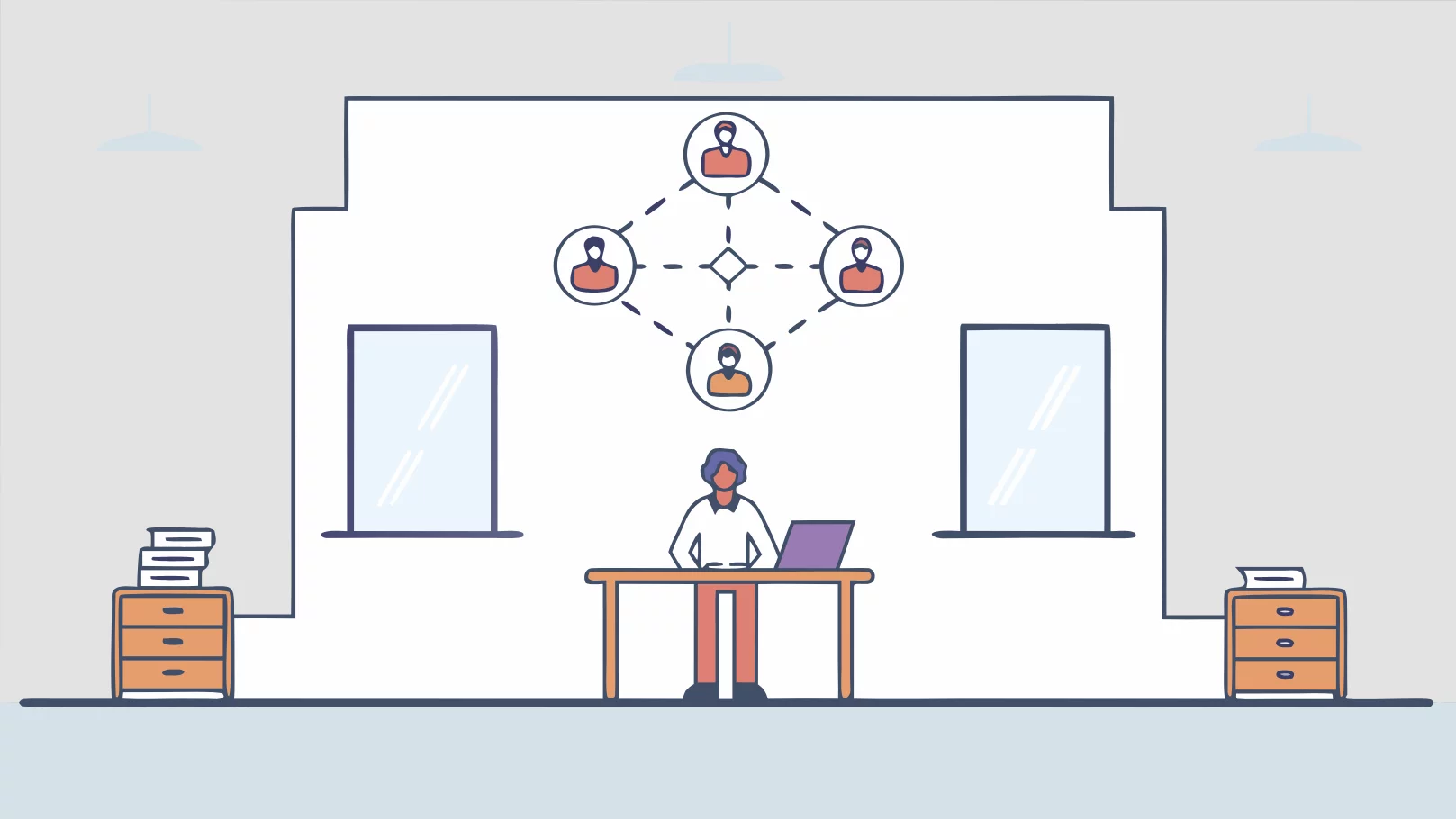
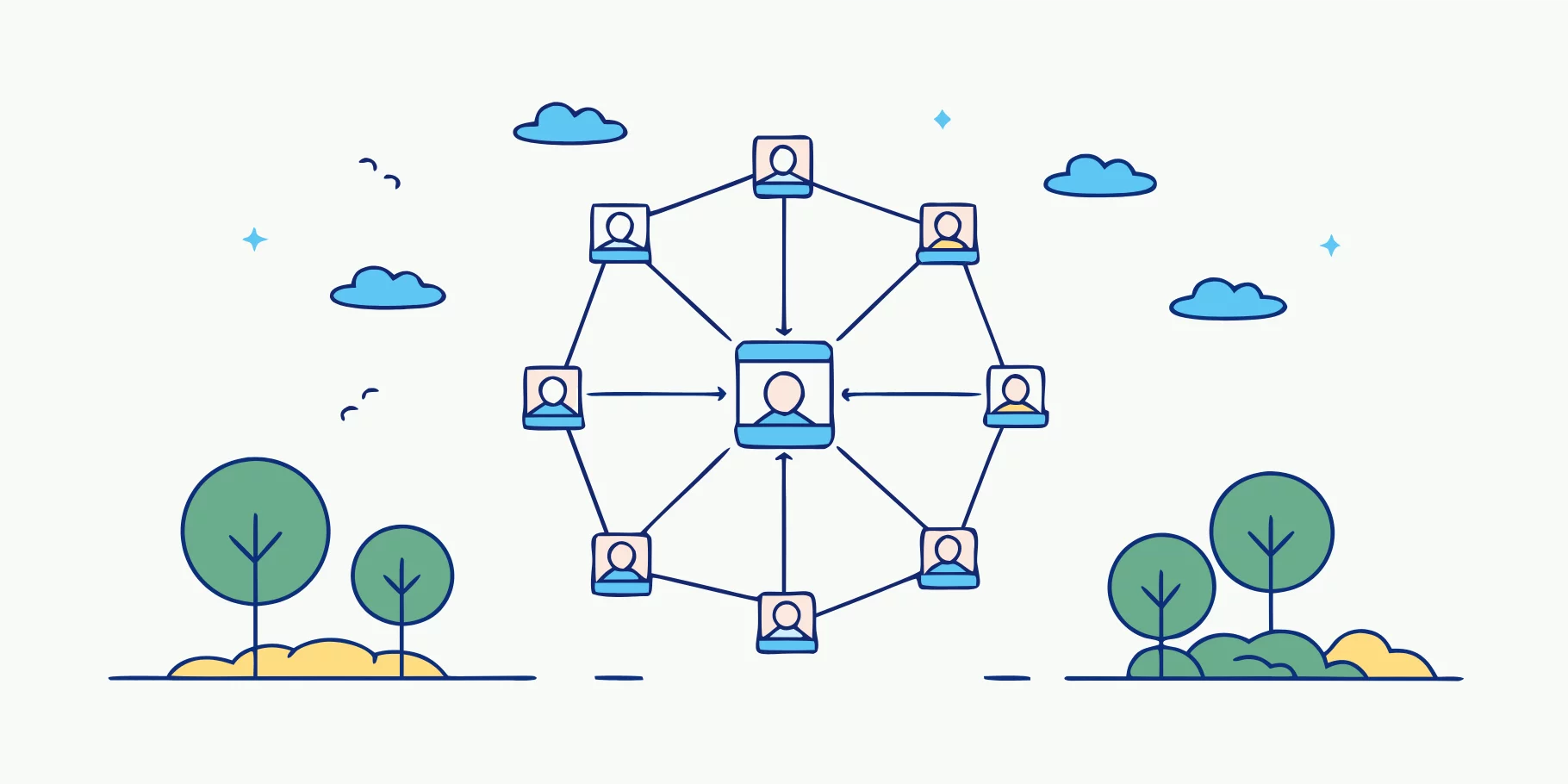
Clustering is therefore both an SEO strategy and an AI strategy.A cluster is more than a group of keywords. It is an intent map: which questions users ask, in which order, and what information they need at each stage. In AI-led discovery, the cluster becomes your knowledge footprint.
The better the cluster, the more likely your pages are reused.AI accelerates clustering because it can summarize SERP patterns, extract recurring subtopics, and group queries by intent. But the strategic decisions remain human: which clusters matter for revenue and positioning, and what your unique point of view should be.
Use this workflow to move from raw queries to a cluster that behaves like a reference library.Step 1: Start with a seed problem, not a seed keyword. Define the job-to-be-done your audience has. Example: “increase visibility in AI answers.” This produces cleaner clusters than starting with a vague keyword.Step 2: Expand queries by intent, not only by synonyms. Capture informational (what is), procedural (how to), comparative (best vs), and evaluative (is it worth it) queries. Each intent needs different content blocks.Step 3: Build a semantic map. Group queries into subtopics that logically belong together. Look for relationships: prerequisites, definitions, pitfalls, tools, metrics, and implementation steps.Step 4: Assign cluster roles. Choose one pillar page that defines the topic end-to-end. Then create supporting pages for deep subtopics and FAQs. Ensure internal links flow from support to pillar and from pillar to action pages.Step 5: Create extractable modules. Within each page, write definitions, checklists, and criteria tables. These modules increase the probability of being quoted.Step 6: Audit cluster coherence. Check that pages don’t contradict each other, that terminology is consistent, and that reflects the page type. This is where GAISEO provides leverage: it helps you maintain semantic consistency as the cluster grows.
- Intent-first expansion: Collect queries across intent types (define, how-to, compare, evaluate). This ensures semantic completeness and prevents thin, repetitive content.
- Pillar + support architecture: One pillar page becomes the canonical reference, supporting pages handle depth, and internal links create a navigable knowledge system for users and machines.
- Extractable modules: Definitions, checklists, and criteria tables make your content reusable in AI answers and help you control how your category is summarized.
| Keyword-variant publishing | Cluster-based semantic publishing |
|---|---|
| Many similar pages targeting minor query variations | Fewer pages with full coverage and clear subtopic separation |
| Internal links often inconsistent or ad-hoc | Deliberate internal linking that reinforces topic relationships |
| Higher risk of cannibalization and generic content | Higher authority, clearer semantics, and better reuse in answer engines |
“A topic cluster is a promise: when a user asks any related question, your site has the best, most coherent answer.” Cosima Elena Vogel
Here is a practical ‘one afternoon’ plan.1) Choose one revenue-adjacent topic. Don’t start with the biggest term; start with the term closest to buying intent (e.g., “AI SEO tool audit,” “AEO checklist,” “AI visibility metrics”).2) Generate a query set. Use tools and AI prompts to list 50–150 questions users ask. Then label each by intent type.3) Group into 6–10 subtopics.
Name each subtopic as a user question (not a marketing label). This becomes your site’s navigation for the cluster.4) Write the pillar outline. The pillar should define the concept, explain why it matters, provide the framework, and link out to each subtopic page.5) Create one supporting page and one FAQ page first. Ship incrementally.
Use GAISEO to audit semantics, schema, and internal links so the cluster remains consistent as you expand.6) Iterate monthly. Add the next supporting page, refresh definitions, and improve proof.
Clusters compound.When done well, a cluster becomes your category’s reference library—and that is precisely what answer engines want to reuse.A practical way to sanity-check your shift is to audit one revenue-driving topic end-to-end: the blog post, the product page it links to, the FAQ that supports it, and the author credibility signals around it.
If those pieces don’t reinforce one coherent message, your “system score” is weaker than your page score.Also plan for maintenance. AI-oriented visibility is sensitive to drift: product positioning changes, screenshots change, prices change, and old pages remain indexable.
A monthly audit cycle—definitions, claims, internal links, and structured data validity—prevents silent decay.Finally, remember that AI SEO is a competitive game, not a solo one. If competitors publish clearer definitions, stronger criteria, and more trustworthy evidence, answer engines will naturally prefer them.
The moat is consistency and clarity over time.A practical way to sanity-check your shift is to audit one revenue-driving topic end-to-end: the blog post, the product page it links to, the FAQ that supports it, and the author credibility signals around it. If those pieces don’t reinforce one coherent message, your “system score” is weaker than your page score.Also plan for maintenance.
AI-oriented visibility is sensitive to drift: product positioning changes, screenshots change, prices change, and old pages remain indexable. A monthly audit cycle—definitions, claims, internal links, and structured data validity—prevents silent decay.Finally, remember that AI SEO is a competitive game, not a solo one.
If competitors publish clearer definitions, stronger criteria, and more trustworthy evidence, answer engines will naturally prefer them. The moat is consistency and clarity over time.A practical way to sanity-check your shift is to audit one revenue-driving topic end-to-end: the blog post, the product page it links to, the FAQ that supports it, and the author credibility signals around it.
If those pieces don’t reinforce one coherent message, your “system score” is weaker than your page score.Also plan for maintenance. AI-oriented visibility is sensitive to drift: product positioning changes, screenshots change, prices change, and old pages remain indexable.
A monthly audit cycle—definitions, claims, internal links, and structured data validity—prevents silent decay.Finally, remember that AI SEO is a competitive game, not a solo one. If competitors publish clearer definitions, stronger criteria, and more trustworthy evidence, answer engines will naturally prefer them.
The moat is consistency and clarity over time.A practical way to sanity-check your shift is to audit one revenue-driving topic end-to-end: the blog post, the product page it links to, the FAQ that supports it, and the author credibility signals around it. If those pieces don’t reinforce one coherent message, your “system score” is weaker than your page score.
In the AI-first web, the winners are not the brands with the most pages, but the brands with the clearest, most complete knowledge systems. Build clusters that map intent and reinforce semantics, and your content becomes the default source for both humans and machines.
GAISEO provides the infrastructure to dominate this new era.
A topic cluster is a group of interlinked pages built around a central ‘pillar’ page. It covers a broad subject comprehensively, signaling to AI systems that your site is an authority on that topic.
AI systems understand concepts and intent, not just keyword strings. Focusing on semantic coverage (answering all related questions) is more effective than stuffing specific keywords into a page.
AI can analyze thousands of queries to identify patterns, group them by user intent (informational vs. commercial), and suggest subtopics you might have missed, speeding up the research process.
A pillar page is a comprehensive guide that covers a broad topic at a high level. It links out to more specific ‘cluster’ pages that dive deep into subtopics, creating an organized knowledge map.
Internal links help AI crawlers understand the relationship between your pages. A strong linking structure reinforces your authority on a topic and helps AI navigate your content cluster.
GAISEO audits your content for semantic consistency, checks internal linking structures, and ensures your schema markup correctly reflects the relationship between your pillar and cluster pages.